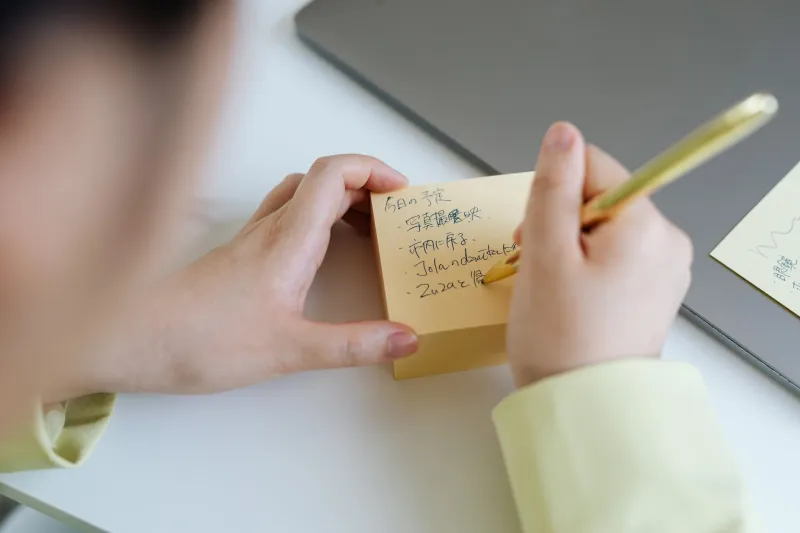
Stop Filling Every Quiet Moment — Your Best Ideas Need the Boredom You Keep Escaping
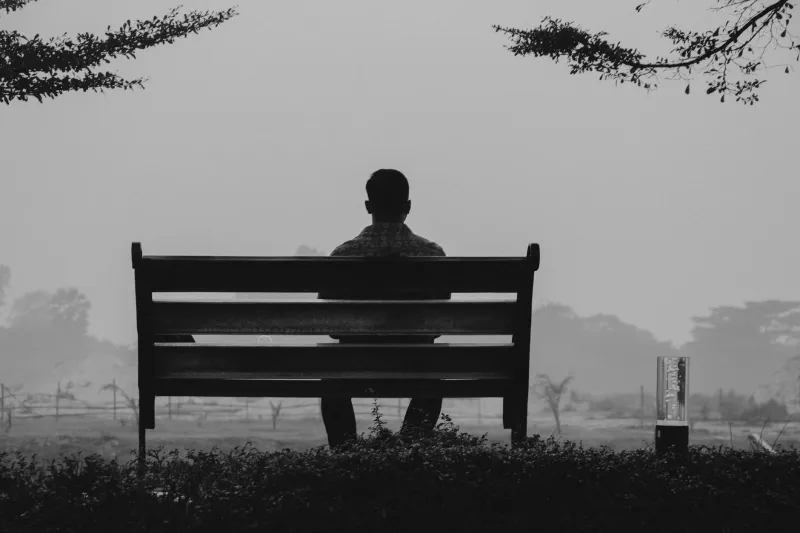
Be honest: when's the last time you were actually bored?
Not 'between tasks' bored. Not 'waiting for a file to upload' bored. Actually, genuinely, uncomfortably bored — with nothing to look at, nothing to listen to, nowhere for your brain to go but inward?
If you're struggling to remember, you're not alone. The modern creative's life is structured, whether intentionally or not, around the complete elimination of unoccupied mental space. There's a podcast for the commute, a playlist for the studio time, a doom-scroll for the two minutes between the coffee finishing and the laptop booting up. We have engineered boredom almost entirely out of our daily experience, and we're calling it productivity.
It's not productivity. It's avoidance. And it's costing you.
The Neuroscience of Doing Nothing (That's Actually Doing Everything)
There's a network in your brain called the default mode network — a set of regions that activate specifically when you're not focused on any external task. When you're daydreaming. When you're staring at the ceiling. When you're in the shower and your mind starts wandering somewhere unexpected.
For a long time, neuroscientists thought this network was basically the brain idling — background noise while the 'real' work happened elsewhere. Over the past two decades, research has completely flipped that assumption. The default mode network is now understood to be central to some of the most sophisticated cognitive functions we have: creative association, narrative construction, future-thinking, and the integration of disparate ideas into something new.
In other words: the mental state you're constantly interrupting with notifications and content is the mental state where original ideas are actually born.
Every time you reach for your phone because a moment of quiet feels uncomfortable, you're pulling the plug on that process mid-sentence.
The Productivity Cult's Role in All of This
Creative culture in the US has a complicated relationship with rest. There's an entire genre of content — YouTube videos, newsletters, Twitter threads — dedicated to how prolific creators spend their days, and the implicit (sometimes explicit) message is that more output equals more value. Morning routines. Time-blocking. Habit stacking. The language of optimization has colonized the space that used to belong to wandering.
And to be clear: structure isn't the enemy. Routines can be genuinely useful. The problem is when the optimization mindset bleeds into every available moment, including the ones that aren't supposed to be optimized. When you're running a side project, consuming craft-related content, networking online, and filling your commute with educational podcasts — all in service of the creative work — you may have accidentally created a schedule with no room for the actual source material of that work: your own unmediated mind.
There's a reason so many creators report their best ideas coming in the shower, on walks, or in that weird half-asleep state before fully waking up. Those are the last remaining pockets of genuine mental vacancy in most people's days. The brain is doing what it's been trying to do all along — it just finally got the chance.
Boredom Isn't a Problem. It's a Signal.
When you sit down to work and feel creatively empty — that flat, restless, 'I have nothing to say' feeling — the instinct is to treat it as a malfunction. Something to fix. So you consume more: more reference material, more inspiration accounts, more podcasts about creativity. You try to pour something in because the tank feels empty.
But what if the flatness isn't emptiness? What if it's your nervous system signaling that it needs to process, not consume?
Creative drought often isn't a shortage of input. It's a backlog of unprocessed input with no space to settle. You've been taking things in — experiences, ideas, influences, emotions — without giving your brain the unstructured time it needs to do anything interesting with them. The drought isn't the absence of material. It's the absence of stillness.
Boredom, restlessness, even that vague creative dissatisfaction — these aren't signs you're doing something wrong. They're signs your brain is ready to work, if you'd just stop interrupting it.
What Protecting Unstructured Time Actually Looks Like
This isn't a call to delete your apps, move to a cabin, and stare at trees for six months (though honestly, that sounds kind of great). It's a call to carve out small, deliberate pockets of genuine mental vacancy in an otherwise full life.
A few things that actually work:
The phone-free commute (or walk, or coffee). Pick one regular part of your day and do it without audio, without scrolling, without anything. Just be in it. This feels unbearably boring at first. That's the point. After a few days, you'll start noticing that your brain fills the space on its own — and what it comes up with is usually more interesting than whatever podcast you would have played.
The boring task as thinking time. Dishes, laundry, a familiar drive — these are gold. Your hands are occupied, your executive brain is lightly engaged, and your default mode network is free to roam. Don't fill it. Let it go wherever it wants.
The no-agenda notebook session. Not journaling with prompts. Not brainstorming for a specific project. Just sitting with a notebook and writing whatever comes up, without any destination in mind. It'll feel unproductive. Some of the best ideas in your creative life will come from it.
The deliberate wait. Next time you're standing in line or waiting for something to start, resist the phone. Just stand there. Look around. Let your mind go wherever it wants. It's two minutes. You can survive two minutes of boredom. And your brain will thank you for it.
The Uncomfortable Truth About Constant Stimulation
Here's the thing nobody really wants to say: the reason we avoid boredom so aggressively isn't just habit or addiction to our phones. It's that boredom, real boredom, makes us confront things. Unresolved feelings. Questions we've been postponing. The slow reckoning with whether we're actually making the work we set out to make.
Stimulation is, among other things, a very effective way of not having to sit with any of that.
But the creative work worth doing almost always comes from exactly that place — from the ideas and questions that surface when you're not actively managing your experience. The stuff that rises up when you finally stop filling every quiet moment.
You don't need more inspiration. You need more space.
Stop filling it.