The 'Messy Middle' Myth: How Other Creators' Transparency Is Making You Feel Worse About Your Own Work

There was supposed to be a revolution. When creators started pulling back the curtain — sharing the unfinished drafts, the cluttered desks, the 'this took me six tries' captions — it felt like a cultural correction. No more polished highlight reels pretending that good work just materializes fully formed. Finally, we'd get the truth.
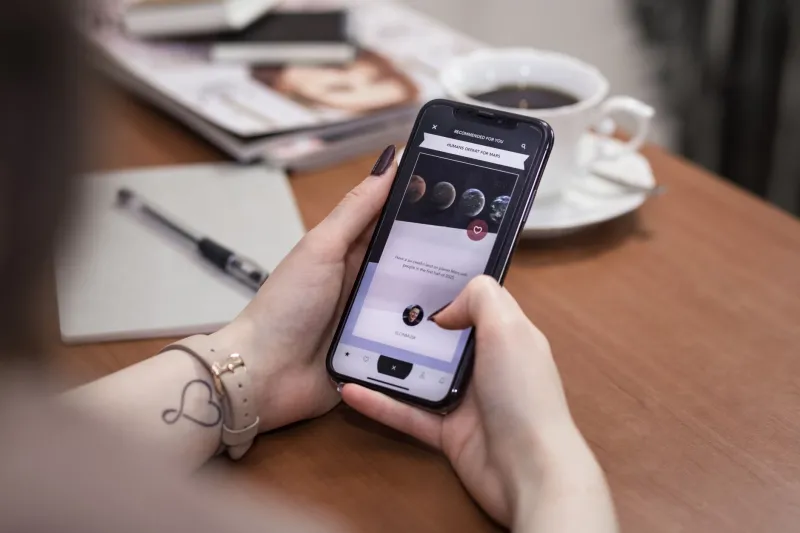
Except something weird happened on the way to liberation. All that transparency started to feel like its own kind of pressure. You're scrolling through someone's "raw and honest" studio tour, watching them narrate their chaotic creative process, and instead of feeling comforted, you feel... behind. Like even their mess is more productive than yours. Like their unfinished thing is somehow further along than your unfinished thing.
If that sounds familiar, you're not imagining it. And you're definitely not alone.
Why Process Content Hits Different Than Highlight Reels
Here's the thing about regular comparison — the kind where someone posts their finished, polished project and you feel inadequate. Your brain at least has a fighting chance of recognizing the gap. You know they're showing you the end result. You can (with effort) remind yourself that you're not seeing the struggle that got them there.
Process content removes that buffer. When someone shares their messy studio, their abandoned drafts, their "I almost gave up on this" moment, your brain registers it as unfiltered reality. It reads as the whole story. So when their messy reality still looks more organized, more intentional, and more productive than yours, the comparison stings in a completely different way.
Psychologists call this a form of social comparison that's particularly sticky because it feels like you're comparing apples to apples. They're being real, you're being real — so why does their real look so much better than your real?
Spoiler: it doesn't. But the format makes it feel that way.
The Curated Mess Problem
Here's something worth sitting with: there is no such thing as truly unfiltered process content. Every behind-the-scenes video was recorded, edited (even lightly), and chosen for posting. The creator decided this particular moment of chaos was worth sharing. The draft they showed you was the draft they felt okay about showing. The studio tour included the angle they wanted you to see.
None of this is malicious. It's just... how content works. You curate what you put out, even when what you're putting out is your "real" self. The stuff that's genuinely too raw, too embarrassing, or too unresolved mostly stays private — for everyone.
What you're watching isn't the messy middle. It's a highlight reel of someone else's messy middle. And your brain doesn't naturally make that distinction when it's processing the content in real time.
The Productivity Theater Angle
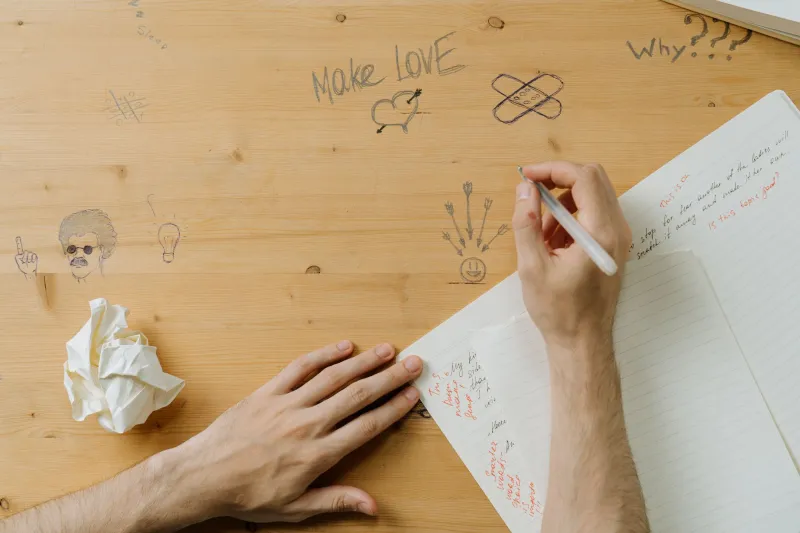
There's a specific flavor of process content that's worth calling out directly: the "look how hard I'm working" genre. The time-lapse of someone filling a notebook. The flat-lay of seventeen reference books open at once. The "7 AM writing session" story with a coffee cup and soft morning light.
This content isn't dishonest, exactly. But it performs productivity in a way that makes consumption feel like participation. You watch someone else work and some part of your brain files it under "creative activity you engaged with today." Which means you can spend an hour watching other people make things and walk away feeling simultaneously inspired and somehow more behind than when you started.
The creative energy that watching generates rarely converts directly into your own output. It just raises the internal bar for what your output should look like.
What to Actually Do With This
None of this means you should swear off process content entirely. Some of it is genuinely useful, genuinely encouraging, and genuinely worth your time. The goal isn't consumption abstinence — it's consumption with a little more self-awareness baked in.
Give yourself a beat before you compare. When you finish watching someone else's process video and feel that familiar sinking feeling, pause before you let it attach to your own work. Ask yourself: what specifically triggered that feeling? Is it something actionable — like a technique or a tool you could actually use — or is it just the ambient anxiety of comparison? One of those is worth your attention. The other is just noise.
Separate inspiration from evidence. Watching someone else's creative process is not evidence about your own. Their workflow isn't a rubric. Their output pace isn't a standard. Their studio setup isn't a prerequisite. You can admire what they're doing without letting it become a verdict on what you're doing.
Notice when you're consuming instead of creating. This one's simple but brutal: if you've spent more time watching other people work than actually working today, that's worth noticing. Not to shame yourself — just to see it clearly. Process content is incredibly easy to consume in a way that feels productive when it isn't.
Curate your inputs with intention. Not all creator content affects you the same way. Some people's behind-the-scenes stuff genuinely energizes you. Other people's stuff reliably makes you feel small, even if you can't totally explain why. You're allowed to quietly unfollow the second category. You don't have to justify it.
Remember that you're also in your messy middle. The creator you're watching has a version of you watching them — someone who sees their process and thinks "wow, even their chaos looks intentional." You are someone else's aspirational mess. Your unfinished thing looks further along to someone else than it looks to you.
The Transparency Paradox
The push for creative transparency was built on a genuinely good idea: that seeing the struggle normalizes it, that knowing other people also fail and restart and doubt themselves makes the whole endeavor feel more human. And in a lot of ways, it has done exactly that.
But it's also created a new layer of performance — the performance of authentic struggle — that carries its own set of comparison traps. We moved from comparing finished work to comparing processes, and somewhere along the way forgot that a curated process is still curated.
Your creative work doesn't need to look like anyone else's messy middle to be valid. Your actual messy middle — the one nobody's filming — is real, and it counts, and it's enough.
You don't have to document the struggle to prove you're in it.